Writing
Books, Essays and Ongoing Work

The Red Book: or Operation Iraqi Freedom is My Fault
Little Presque, 2016. Currently out of print.
In Operation Iraqi Freedom Is My Fault, Brandon Jennings confronts the complicated weight of service and the stories we tell ourselves about it.
Moving between lived experience and reflection, the book resists easy conclusions, focusing instead on how memory endures—and how it continues to shape the present long after the moment has passed.
From Operation Iraqi Freedom is My Fault
Your wife watched a girl die today because the girl had strep throat when she was very young; that previous illness caused permanent heart problems, made the nineteen-year-old girl’s heart burst. Tell your wife it’s okay, and then tell her that you’ve extracted a chapbook from your novel because you can’t make any headway on the larger book because you hope that somehow your struggles with writing will distract her from the pain that surrounds her, because what you are doing is real to you.
Get her out of the house. Take your wife to the market behind the katuko—small fires where families of those admitted to the hospital stay for weeks while caring for their ill loved ones. On your way in, just beyond the House of Hope, you hear wailing. You see a woman in the red dirt.
“She must be the woman whose husband died today,” your wife says.
You walk on.
When you return to the gate, the woman is gone. All that remains is a smooth imprint of an arm, a leg, a hip.
“They must have moved her husband’s body,” your wife says.
You hug your wife and go home. You try not to think about your privilege—how easily you can leave this place, how you can choose what you carry and what you don’t. You don’t know how the woman’s husband died, much less who he was. But does it matter?
Your wife is alive. You are alive.
If you saw that woman again, there would be nothing you could say to her that would make a difference—even if you spoke her language.
Mu-ntu wa fa kale — the person is already dead.
The only thing those words seem to mean, in any language, is:
I am as helpless in all of this as you.
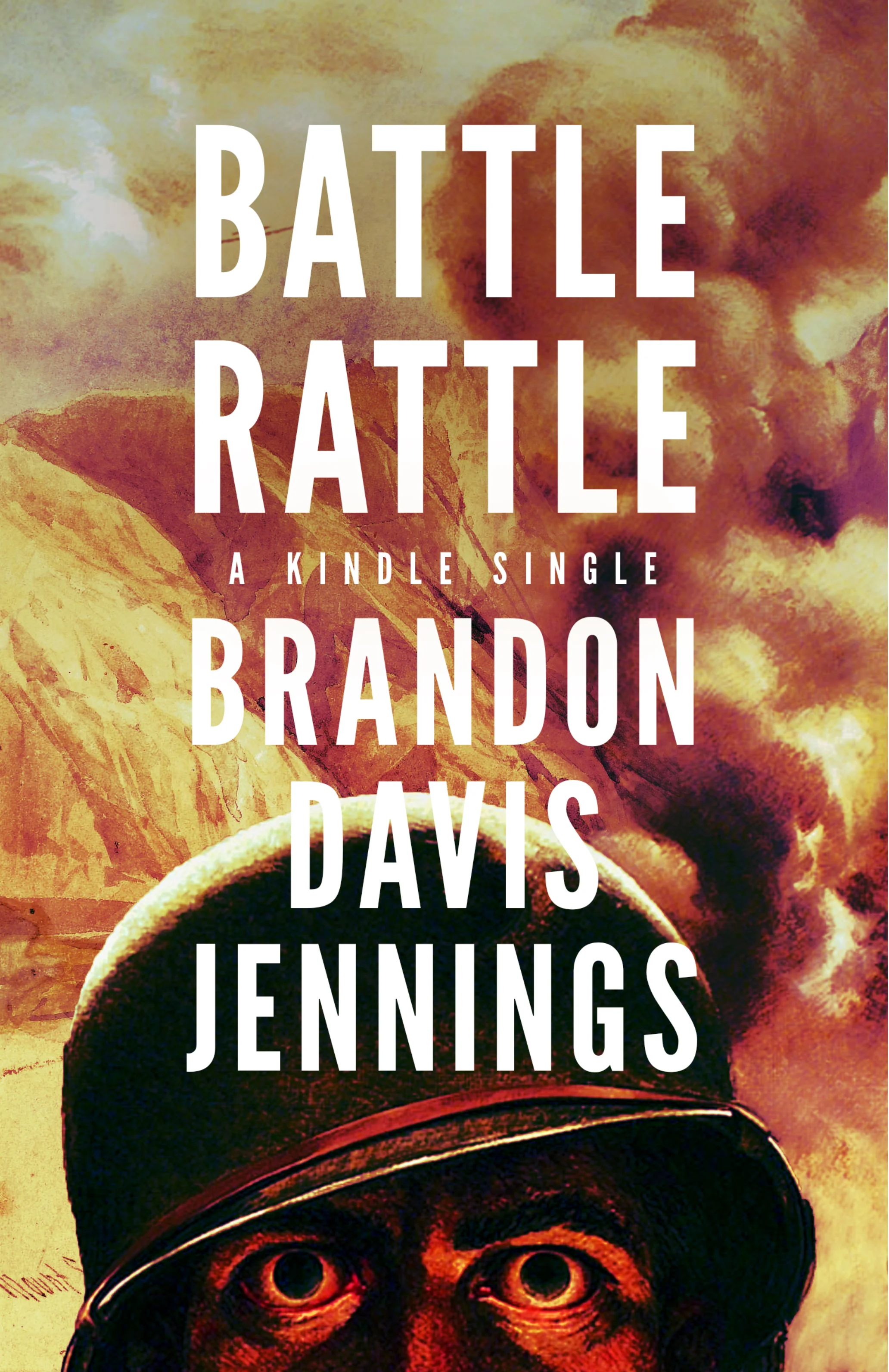
The Things They Carried meets Jesus’ Son in this darkly funny and deeply human collection of stories and short fiction tracing the life of Derrick “Vez” Vezchek from the Mojave Desert to the battlefields of the Middle East and back again. Before the wars, Vez is a reckless teenager drifting through the high desert among addicts, burnouts, and forgotten towns. After multiple deployments as an Air Force Special Operator, he returns home to a different kind of uncertainty—marriage, fatherhood, memory, and the invisible aftershocks of combat. Spanning interconnected stories, novellas, and the novel High Desert Rats, Battle Rattle and Other Stories explores violence, masculinity, loyalty, humor, and survival in modern America. Brandon Davis Jennings writes with equal parts grit and lyricism, capturing both the absurdity of military life and the fragile moments of grace that persist long after the fighting ends. Raw, unsettling, and often unexpectedly tender, these stories examine what remains of a person after war—and what it takes to keep moving forward.
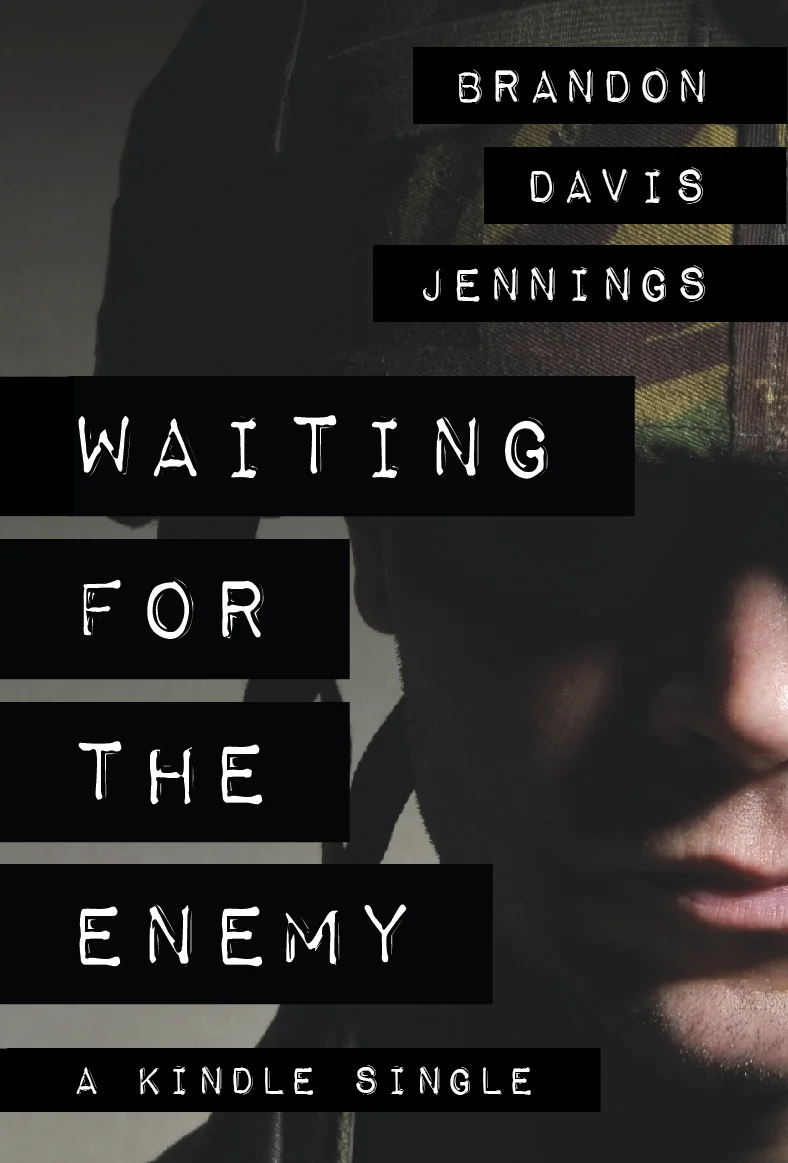
The linked stories in Brandon Davis Jennings’ Waiting for the Enemy take readers from the Middle East to the Mojave Desert and back again, revealing a cast of characters that find themselves, unrelentingly, at the intersection of expectation and desire.
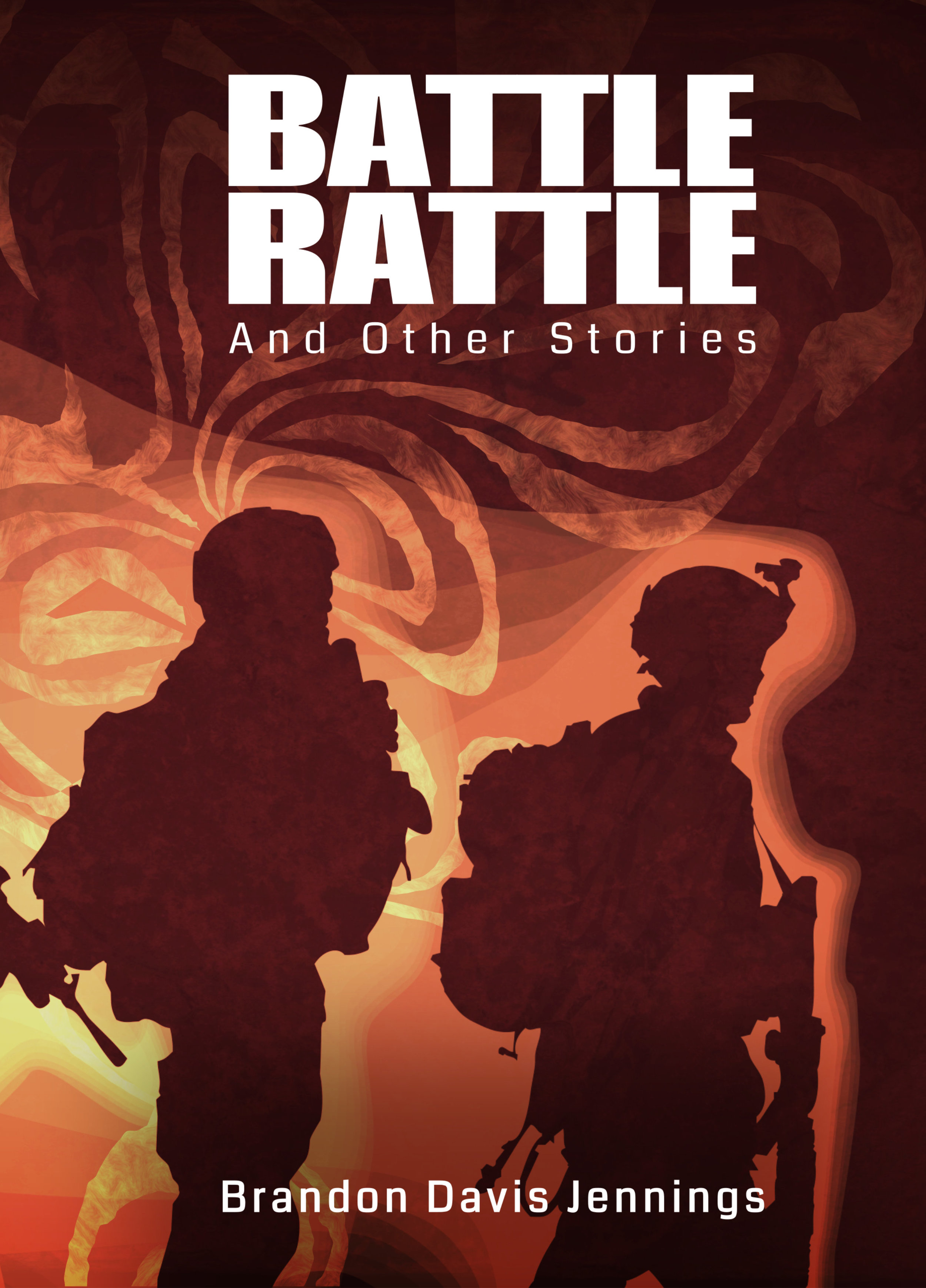
The Things They Carried meets Jesus’ Son in this darkly funny and deeply human collection of stories and short fiction tracing the life of Derrick “Vez” Vezchek from the Mojave Desert to the battlefields of the Middle East and back again. Before the wars, Vez is a reckless teenager drifting through the high desert among addicts, burnouts, and forgotten towns. After multiple deployments as an Air Force Special Operator, he returns home to a different kind of uncertainty—marriage, fatherhood, memory, and the invisible aftershocks of combat. Spanning interconnected stories, novellas, and the novel High Desert Rats, Battle Rattle and Other Stories explores violence, masculinity, loyalty, humor, and survival in modern America. Brandon Davis Jennings writes with equal parts grit and lyricism, capturing both the absurdity of military life and the fragile moments of grace that persist long after the fighting ends. Raw, unsettling, and often unexpectedly tender, these stories examine what remains of a person after war—and what it takes to keep moving forward.